
Why Is Meditation Needed?
In today’s fast-paced world, people are constantly stressed, distracted, and mentally tired. We worry about the future, regret the past, and rarely stay in the present moment. This mental pressure slowly affects our health, relationships, and happiness.
Meditation is needed because it helps us:
Calm the mind
Reduce stress and anxiety
Improve focus and emotional balance
Connect with our inner self
Just like the body needs exercise, the mind needs meditation to stay healthy and strong.
Benefits of Meditation
Meditation offers benefits for the mind, body, and soul.
Mental Benefits
> Reduces stress and anxiety
> Improves concentration and memory
> Controls anger and negative emotions
> Brings mental clarity and peace
Physical Benefits
> Improves sleep quality
> Lowers blood pressure
> Boosts immunity
> Reduces fatigue
Emotional & Spiritual Benefits
> Increases self-confidence
> Builds emotional stability
> Develops positive thinking
Creates inner happiness
Meditation Techniques and Methods
There are many meditation methods. You can choose what feels comfortable for you.
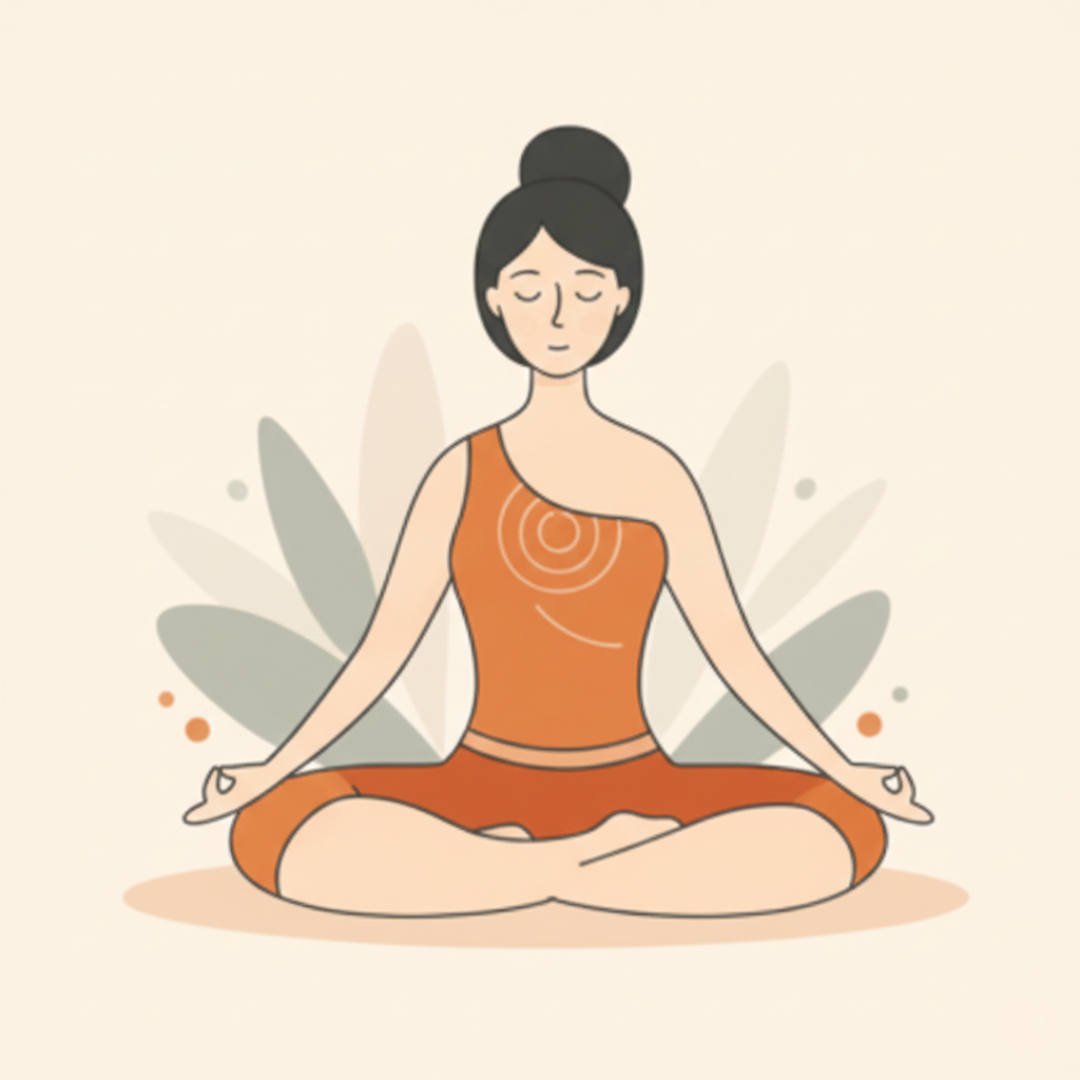
1. Breathing Meditation
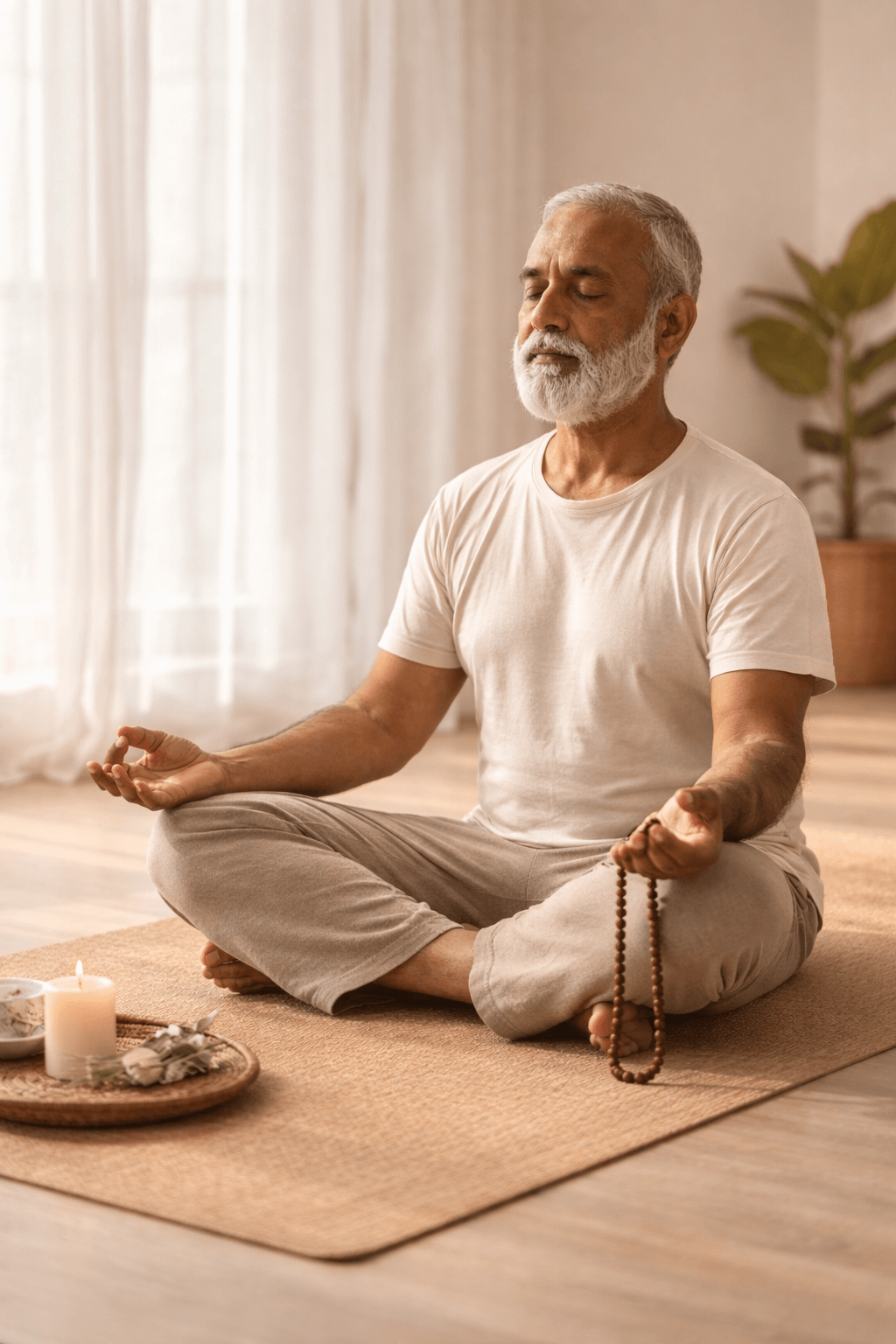
Sit comfortably and focus on your breathing. Slowly inhale and exhale. Whenever your mind wanders, gently bring it back to your breath.
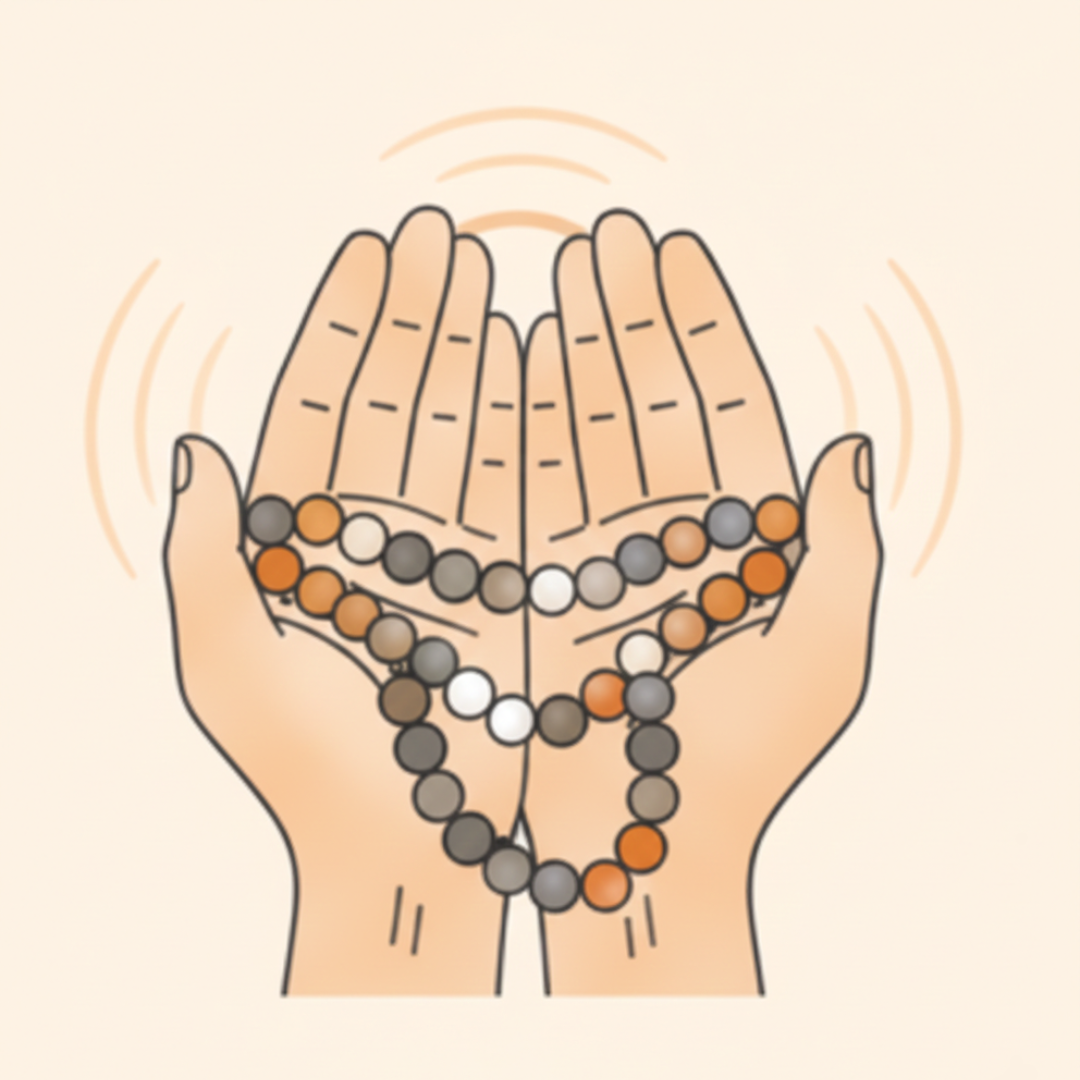
2. Mantra Meditation
Repeat a word or sound like “Om”, “Peace”, or “So Hum” silently or aloud. This helps the mind stay focused. Listen to a guided voice that helps you relax and visualize peaceful scenes. This is very helpful for beginners.
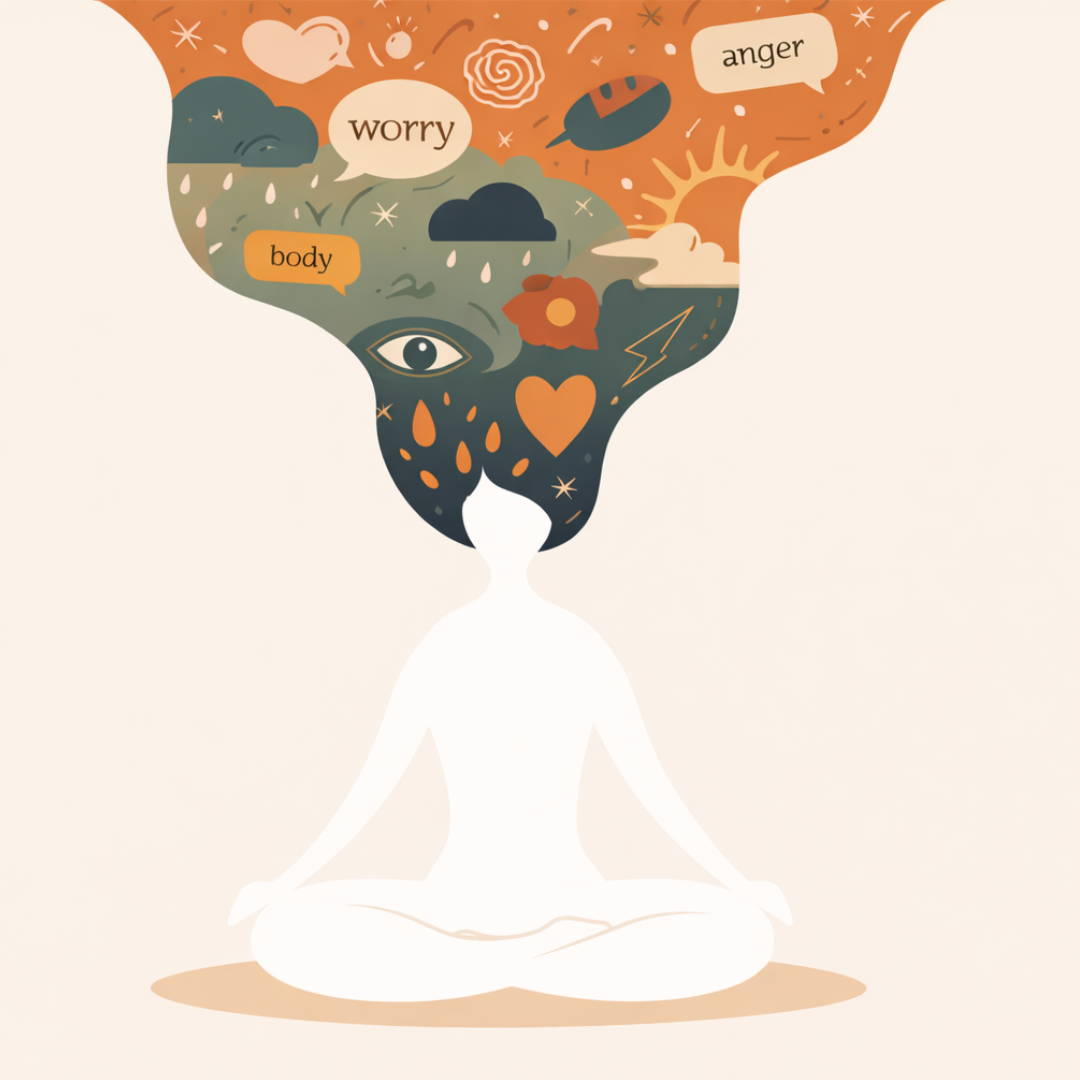
3. Mindfulness Meditation
Observe your thoughts, emotions, and sensations without reacting to them. Just watch them come and go.
I want to meditate, but…
Frequently Asked Questions
I tried meditation apps, but I quit after a few days. How do I stay consistent?
This is very common—and it does not mean meditation is not for you.
Most people quit because they try to do too much, too soon. Meditation is not about long sessions or perfect focus. It is about showing up regularly, even for a few minutes.
To stay consistent:
Start with 2–5 minutes a day instead of long sessions
Fix a simple routine (same time, same place)
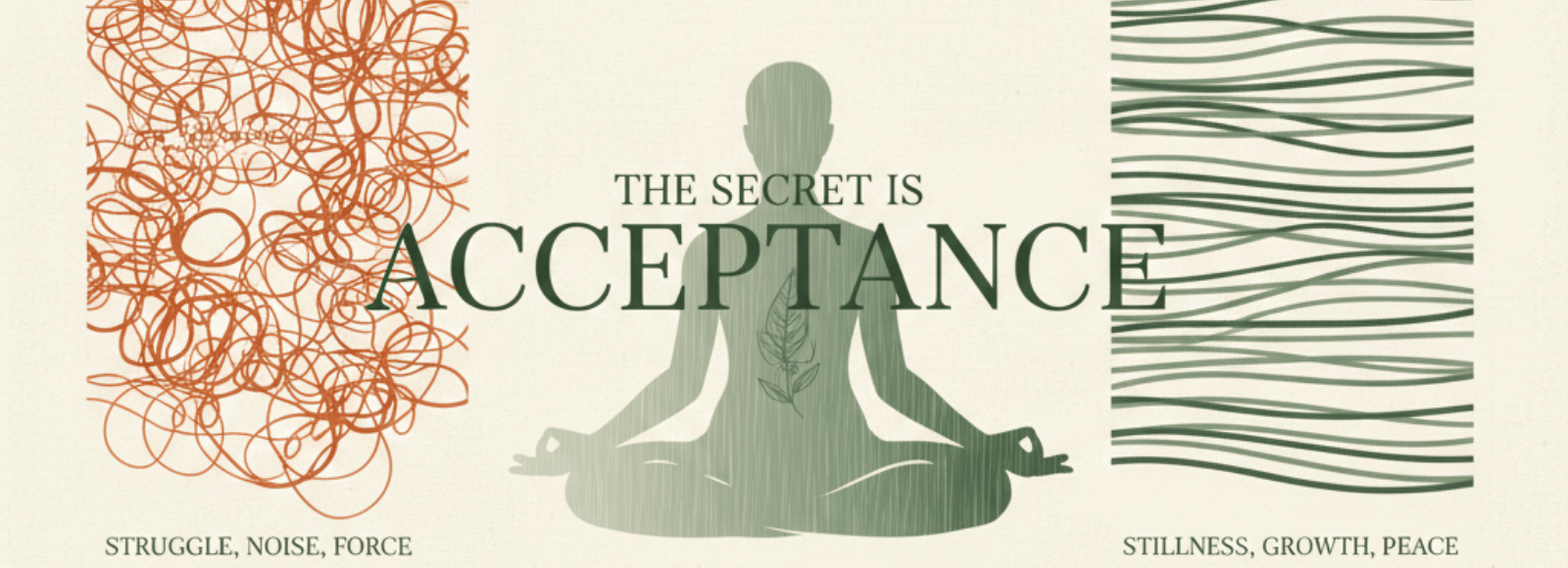
Let go of expectations—some days will feel calm, others won’t
Focus on practice, not on results
Remember: consistency matters more than duration
Apps can guide you, but real consistency comes when meditation becomes a gentle habit, not a task on your to-do list.
If you’re struggling to stay regular, guided support and personal guidance can make a big difference. Sometimes, having someone walk the path with you is all you need. You can connect with us Jeevanyoga we help you to find your meditation path. Join Now
I don’t feel calm after meditation. Am I doing something wrong?
No, you are not doing anything wrong.
Meditation does not always make you feel calm immediately. In fact, in the beginning, meditation often makes you more aware of your thoughts, emotions, and restlessness. This awareness can feel uncomfortable—but it is a sign that the practice is working.
Calmness is not something you force. It develops gradually with regular practice.
A few important things to remember:
Meditation is not about feeling peaceful every time
Some sessions bring clarity, some bring emotional release
Restlessness, boredom, or discomfort are normal stages
Progress in meditation is subtle and slow
Think of meditation like cleaning a room. At first, the dust becomes visible before the space feels clean.
With patience, consistency, and the right guidance, calmness begins to arise naturally—not just during meditation, but in daily life as well.
If you feel confused or stuck, personal guidance can help you understand your experience better and move forward with confidence.
How long does it actually take to see real benefits from meditation?
It depends on what you mean by benefits and how regularly you practice.
Some people notice small changes—like better focus or improved sleep—within a few days or weeks. Deeper benefits, such as emotional balance, reduced reactivity, and inner stability, usually develop over weeks to months of consistent practice.
Meditation works gradually, not instantly.
Important things to understand:
Benefits are often subtle at first
Progress is not always linear—some days feel better than others
Consistency matters more than intensity
Real change happens quietly, in daily life—not just during meditation
Meditation is like strengthening a muscle. You don’t see results after one session, but with regular practice, the change becomes natural and lasting.
If you feel unsure about your progress, proper guidance can help you recognize and deepen the benefits you’re already experiencing.
Can meditation help with burnout, anxiety, or emotional exhaustion?
Yes. Meditation is one of the most effective tools for managing burnout, anxiety, and emotional exhaustion—when practiced correctly and consistently.
Burnout and anxiety are signs of a constantly overstimulated nervous system. Meditation helps regulate this system by bringing the mind and body back into balance. Over time, it improves emotional resilience, reduces mental overload, and restores inner stability.
When strong emotions arise during meditation, it does not mean something is wrong. It means the mind is releasing stored stress and unresolved experiences.
What helps:
Do not suppress or judge the emotion
Observe it calmly, without reacting
Return gently to your breath or guidance
Seek structured guidance if emotions feel overwhelming
At Jeevan Yoga, our experienced practitioners and counsellors help you understand these experiences safely and step by step, so meditation becomes a source of strength—not confusion.
Can meditation help with overthinking at night and poor sleep?
Yes. One of the most noticeable benefits of meditation is improved sleep and reduced night-time overthinking.
Overthinking happens when the mind remains active even after the body is tired. Meditation helps slow down mental activity and prepares the nervous system for rest.
With regular practice, meditation:
Reduces mental noise before sleep
Calms racing thoughts
Improves sleep quality and depth
Creates a sense of mental closure at the end of the day
Many of our practitioners experience better sleep within weeks—not by forcing the mind to stop, but by learning how to let it settle naturally.
Is meditation spiritual, scientific, or both?
Meditation is both scientific and experiential.
At Jeevan Yoga, we do not teach meditation as a religious practice. Our approach is based on:
Proven techniques
Practical experience
Modern research and observation
Mind–body science
Meditation works because of how the human brain and nervous system function—not because of belief or faith.
Religion is not required. Belief is not required.
Only willingness to practice is enough.
Can beginners meditate without attending a retreat or course?
Yes, beginners can absolutely start meditation without attending a retreat.
However, correct guidance makes the journey easier, safer, and more effective.
At Jeevan Yoga, we offer:
Structured online meditation programs
Guidance from experts with 10+ years of experience
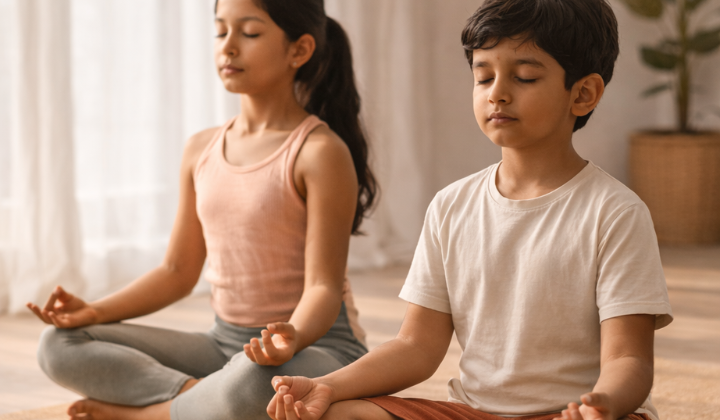
Support for beginners, children, students, working professionals, corporate employees, and seniors
Personal counselling when needed
Our programs are open to everyone—regardless of age, background, or religion.
We focus on mental wellness, emotional stability, and inner balance, because a stable mind is the foundation of true happiness.
Our Approach at Jeevan Yoga
We do not promote belief systems.
We work with facts, practice, and scientifically observed results.
With the right method and guidance, meditation becomes a lifelong support system—not just a temporary solution.
👉 You can join our online programs and experience meditation in a clear, grounded, and practical way.